---
title: How can your Solar and Lifestyle Impact your Next Energy Bill?
description: How can your Solar and Lifestyle Impact your Next Energy Bill
---
[Skip to content](https://knowledge-base.solarhub.net.au/how-can-your-solar-and-lifestyle-impact-your-next-energy-bill#main-content)

- [Customer Portal](https://441665238.hs-sites-ap1.com/tickets-view)
Open main navigation
Close main navigation
- [Customer Portal](https://441665238.hs-sites-ap1.com/tickets-view)
How can we help you?
- There are no suggestions because the search field is empty.
1. [SolarHub Knowledge Base](https://knowledge-base.solarhub.net.au/?hsLang=en-au)
2. [General](https://knowledge-base.solarhub.net.au/general?hsLang=en-au)
# How can your Solar and Lifestyle Impact your Next Energy Bill?

### Article Contents
**[Utilising Your Solar Production](https://knowledge-base.solarhub.net.au/how-can-your-solar-and-lifestyle-impact-your-next-energy-bill#solar-production)**
**[Making the Most of Your Battery](https://knowledge-base.solarhub.net.au/how-can-your-solar-and-lifestyle-impact-your-next-energy-bill#battery)**
**[Appliance Considerations](https://knowledge-base.solarhub.net.au/how-can-your-solar-and-lifestyle-impact-your-next-energy-bill#appliance)**
**[Consumption Considerations](https://knowledge-base.solarhub.net.au/how-can-your-solar-and-lifestyle-impact-your-next-energy-bill#consumption)**
**[Additional Tips: EV Charging, Energy Rates](https://knowledge-base.solarhub.net.au/how-can-your-solar-and-lifestyle-impact-your-next-energy-bill#additional)**
Now that you have successfully installed your new solar system, what lifestyle changes can you make to get the most out of your solar production? Below are some simple adjustments that will help you maximize your new system and see an immediate impact on your energy bill.
### Utilising your Solar Production
As your system produces more energy during the day (typically when your household energy demand is lower), there are small changes you can make to take full advantage of this production.
**Energy hungry appliances:** Certain appliances around your home can significantly increase your energy consumption during peak energy rate hours. Common examples of these appliances include dishwashers, washing machines and dryers. Many models allow the user to set automated or delayed starting time (check your product manual for related features). By operating your appliances during the middle of the day, it will draw energy directly from your solar, lowering the cost of operation by reducing peak energy consumption.
**Pre-heating/cooling:** On days with considerable temperature highs and lows, heating and cooling will often contribute heavily to your household’s consumption. Most of your energy consumption during operation comes from initial starting up as your system has to work harder to balance your home to the desired temperature. By automating your system to begin operating before you arrive home, it offers three main benefits:
1. Like with other appliances, your system will use solar energy directly, lowering the cost of operation by reducing peak energy consumption.
2. In winter, when temperatures begin to drop later in the day, starting your heating system earlier in the day means your system doesn’t have to work as hard. The decreased temperature difference between outside temperature and desired indoor temperature makes household heating more efficient.
3. It provides extra comfort the moment you walk through the door to your home.
### Making the Most of your Battery
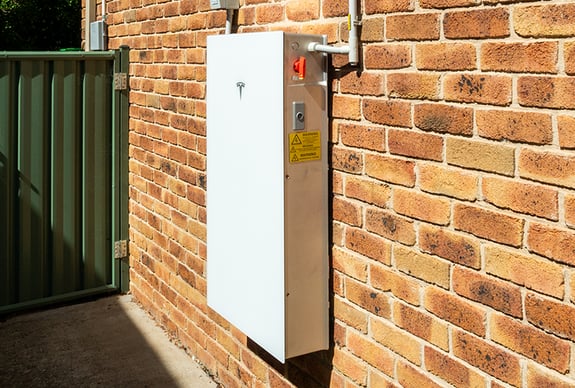
Adding a battery to your home system creates more opportunities for your household to be energy and cost effective. During peak hours, when solar isn’t being generated, batteries allow your home to reduce reliance on the grid. By drawing from your battery during evening hours when energy rates are higher, considerable savings can be made to offset your energy bills.
Some battery manufacturers allow you to customize the battery charging and discharging period. If this applicable to you (check with the battery’s manufacturer), a cost saving option includes charging your battery overnight during off-peak hours. This can be especially helpful during the morning of the following day. Solar energy typically hasn’t begun producing at full capacity yet, so most household energy is provided from the grid during peak energy rates. Utilising overnight battery storage can reduce grid energy consumed in the morning, saving money on your next energy bill.
### Appliance Considerations
It’s important to consider the energy efficiency of your current appliances around your home. Replacing older appliances with more energy-efficient models may only reduce consumption slightly at first, but over time these savings can add up to a noticeable difference in your energy bill. Common examples include:
- Induction Cooktops vs. Electrical Cooktops
- LED Lighting vs. Incandescent Lighting
If you're looking to upgrade your appliances to a more sustainable alternative, the easiest way to compare the current efficiency of your appliances compared to the market is by using Australia’s Energy Rating system. All electrical appliances are assessed and assigned an energy rating. The fewer kilowatt-hours (kWh) a product consumes per year on average, the higher its rating. This can be crucial in reducing your energy consumption.

### Consumption Considerations
Is all your daily household consumption necessary? By taking a closer look into what is costing you the most in energy bills, small adjustments can be beneficial. Common sources of household energy overuse include:
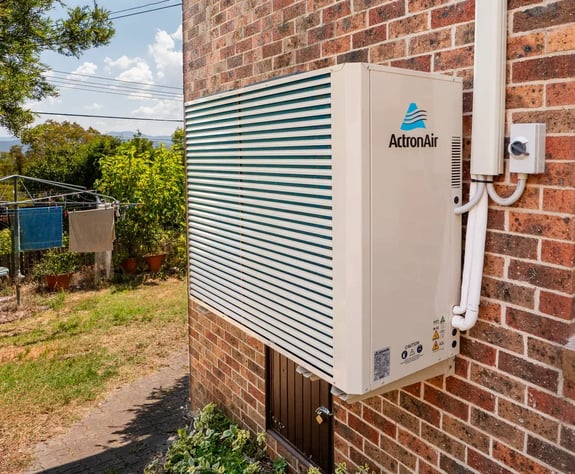
- If you're still using an electric storage hot water tank, you can consider switching it to a hot water heat pump. This will use approximately 70% less energy than standard resistive tanks.
- Only a few degrees of additional space heating and cooling can make an important difference on your power bill when temperatures are very low or high outside. Consider dropping the temperature of your AC system overnight and wear an extra layer during the day. Your wallet will be grateful.
- Bar heaters for towels and heated floor are so comfortable, we know, but they are real energy pits. Same with little space heaters, they seem efficient, but they're really not. You would be surprised how much power these things use. Consider turning them off for a quarter and assess the impact on your bill, they're generally not worth it.
- Have a pool heater and pumps? Put it on a timer so it coincides with your peak solar production between 10AM-2PM. Pools and solar are a good match, you use your pool when solar irradiation is at its maximum, just put things on timer.
- Are there any lights around your home that don’t have to be used? Turning off lights in rooms you aren’t using can already save you a few dollars on your bill.
- If your home utilises an electrical water heating system, where can you limit your hot water usage? Long showers are the biggest culprit of hot water consumption. Extending your showers from 5 to 10 minutes can quickly increase your energy consumption daily.
- Are you heating or cooling rooms in your home unnecessarily? The more rooms being actively cooled or heated can drastically change your energy consumption. Consider which rooms in your home have low activity and whether they need to be affected. Central Ducted Air Conditioning systems may be an important consideration as it opens the possibility of zoning your home to optimise consumption.

### Additional Tips
**EV Charging:** EV charging typically requires a high demand of energy in order to reach full charge. If charging on peak times, it can significantly increase your energy bill. There are three main options that can help you save money on charging your EV:
- Charge from a home battery: This avoids drawing from the grid but may not be the best use of your stored energy during peak times.
- Charging during solar generation: This option avoids both grid power and battery use but may be inconvenient if you need your EV during the day.
- Charging overnight: While this draws from the grid, it takes advantage of off-peak rates, reducing costs and ensuring your EV is ready in the morning.
- Weekend charging: Just like you don't put petrol every day into your car, and depending on your weekly mileage, you may be able to prioritise charging over the weekend, when your car is home and there is cheap solar energy available. Some energy retailers offer preferential pricing for EV charging, which may be a worthwhile consideration for you.
**Energy Rates:** There are many opportunities to customize your energy rates and how much you pay during on- and off-peak periods. Consult your energy provider and review your usage to find the rate plan that best matches your solar lifestyle.
**Winter Energy Bill:** We design our systems with winter in mind, which justifies some oversizing so you can cope better with your winter consumption. But because solar irradiation is at its lowest in winter, and that's when Canberra homes peak in their power consumption, there is only so much we can do in reducing those bills, with or without batteries. By controlling your energy consumption the best you can with the tips above, this is the best way to keep this bill under control in winter. 30 days before and after the winter solstice is usually the most difficult period for a solar system and heating needs, while the rest of the year, consumption is usually lower while your solar system will be overproducing, helping amortise the higher cost of the winter bill. For more information on controlling your consumption in winter, consider giving the following article a read:
- [Why Do I Still Have a Bill in Winter?](https://knowledge-base.solarhub.net.au/why-do-i-still-have-a-bill-in-winter?hsLang=en-au)
If you have any additional enquiries or if you’re still unsure if your energy production and consumption is correct, feel free to contact us by raising a [Support Ticket](https://solarhub.net.au/raise-a-support-ticket/) and we can investigate the issues further.
- [FAQs](https://knowledge-base.solarhub.net.au/faqs?hsLang=en-au#main-content)
- [General FAQs](https://knowledge-base.solarhub.net.au/faqs?hsLang=en-au#general-faqs)
- [Enphase](https://knowledge-base.solarhub.net.au/faqs?hsLang=en-au#enphase)
- [Fronius](https://knowledge-base.solarhub.net.au/faqs?hsLang=en-au#fronius)
- [Sigenergy](https://knowledge-base.solarhub.net.au/faqs?hsLang=en-au#sigenergy)
- [SolarEdge](https://knowledge-base.solarhub.net.au/faqs?hsLang=en-au#solaredge)
- [Tesla](https://knowledge-base.solarhub.net.au/faqs?hsLang=en-au#tesla)
- [Troubleshooting](https://knowledge-base.solarhub.net.au/troubleshooting?hsLang=en-au#main-content)
- [General Troubleshooting](https://knowledge-base.solarhub.net.au/troubleshooting?hsLang=en-au#general-troubleshooting)
- [Enphase](https://knowledge-base.solarhub.net.au/troubleshooting?hsLang=en-au#enphase)
- [Fronius](https://knowledge-base.solarhub.net.au/troubleshooting?hsLang=en-au#fronius)
- [Reposit](https://knowledge-base.solarhub.net.au/troubleshooting?hsLang=en-au#reposit)
- [Sigenergy](https://knowledge-base.solarhub.net.au/troubleshooting?hsLang=en-au#sigenergy)
- [SolarEdge](https://knowledge-base.solarhub.net.au/troubleshooting?hsLang=en-au#solaredge)
- [Tesla](https://knowledge-base.solarhub.net.au/troubleshooting?hsLang=en-au#tesla)
- [Sunpower](https://knowledge-base.solarhub.net.au/troubleshooting?hsLang=en-au#sunpower)
- [Sungrow](https://knowledge-base.solarhub.net.au/troubleshooting?hsLang=en-au#sungrow)
- [Solax](https://knowledge-base.solarhub.net.au/troubleshooting?hsLang=en-au#solax)
- [General](https://knowledge-base.solarhub.net.au/general?hsLang=en-au)
[](http://solarhub.net.au)
[mailto:email@email.com](mailto:email@email.com)
Copyright © 2025, SolarHub